
Is Plant-Based Eating Expensive in India? Let’s Break the Myth
One of the biggest misconceptions about plant-based eating is that it’s expensive. But in India—a country with a rich tradition of plant-based cuisine—the opposite is often true. A healthy plant-based diet can be one of the most affordable ways to eat.
India’s Traditional Diet Was Already Plant-Based
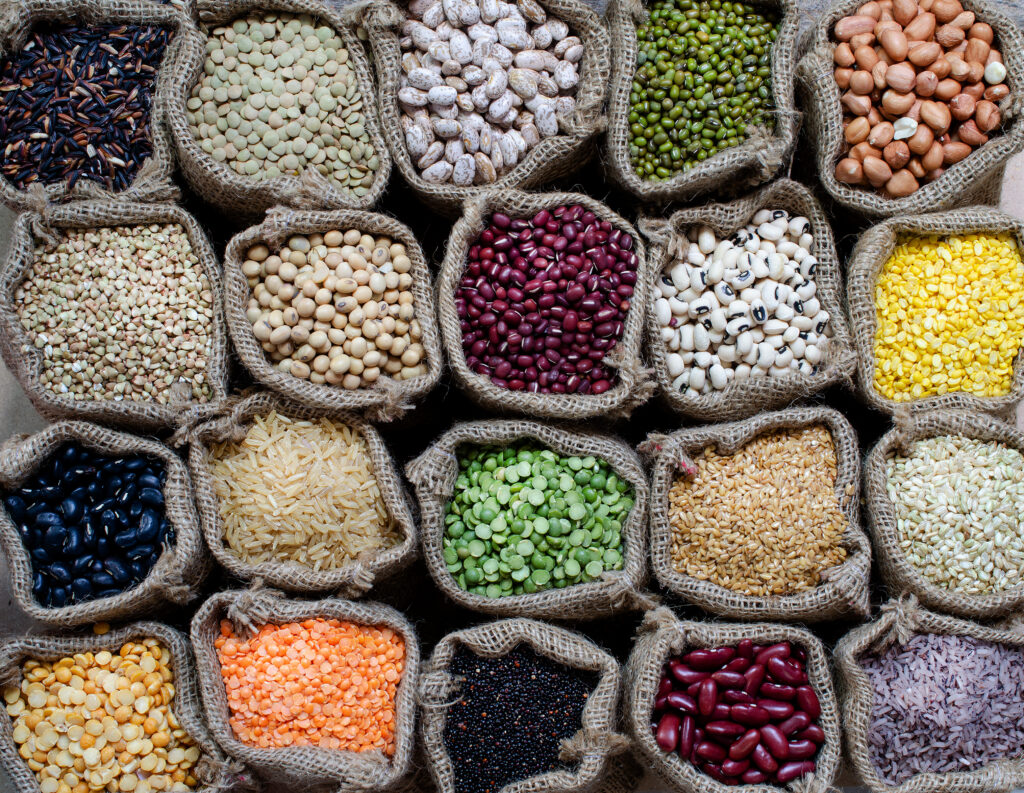
For generations, Indian meals have revolved around staples like rice, wheat, millets, lentils, beans, chickpeas, vegetables, fruits, peanuts, and spices. These foods are inexpensive, widely available, and naturally rich in nutrients.
A simple meal of dal, rice, roti, and seasonal vegetables provides protein, fibre, vitamins, and minerals at a lower cost than many meat-based meals. Popular dishes like chole, rajma, khichdi, poha, upma, idli, dosa, and millet-based recipes are already plant-forward and can easily be made completely vegan with small changes.
Plant Proteins Are Budget-Friendly
The myth that eating plant-based is expensive falls apart when comparing protein sources. Lentils, chickpeas, kidney beans, soybeans, black-eyed peas, and green gram provide high-quality protein while costing significantly less than chicken, fish, or mutton. Soy chunks are among the most affordable protein-rich foods available in India.
Unlike animal products, these foods also provide fibre, along with essential nutrients such as iron, folate, magnesium, and potassium.

Whole Foods, Not Fancy Products
It’s true that some vegan products—plant-based cheeses, mock meats, and imported desserts—can be expensive. But these are convenience foods, not essentials.
A nutritious plant-based diet doesn’t depend on costly substitutes. Most everyday meals can be prepared using affordable ingredients available at local markets. Buying seasonal produce, cooking at home, and planning meals make plant-based eating even more economical.
Affordable for You, Better for the Planet
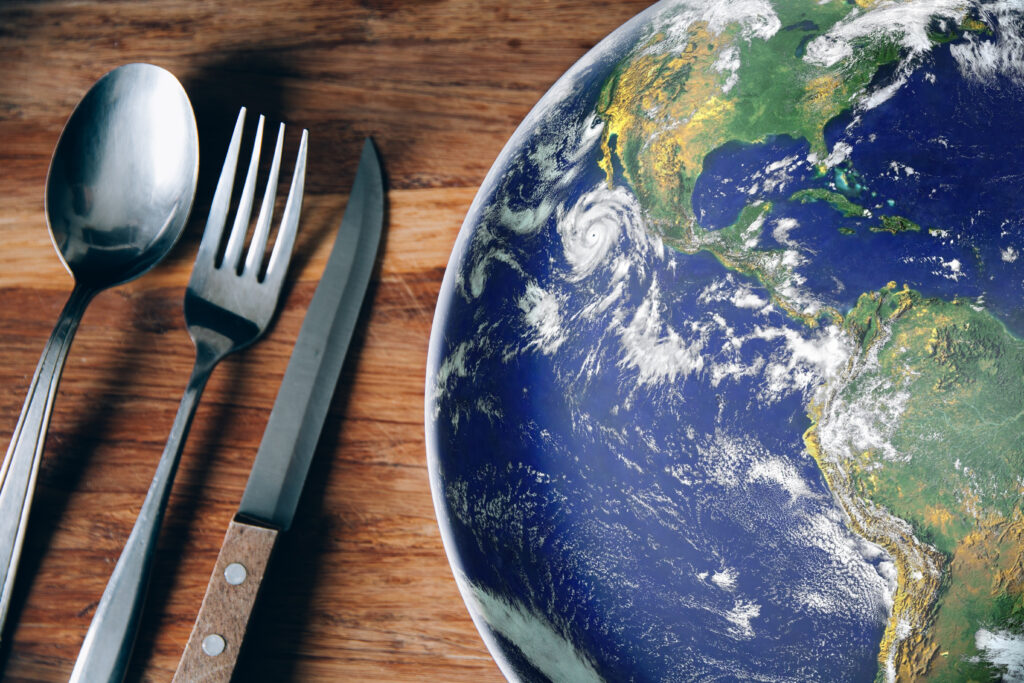
Choosing more plant-based meals also benefits the environment. Animal agriculture requires far more land, water, and feed than growing crops directly for people. According to the Food and Agriculture Organization of the United Nations, livestock accounts for about 14.5% of global human-caused greenhouse gas emissions, while a landmark study published in Science found that avoiding animal products is one of the most effective ways to reduce an individual’s environmental footprint.
Beyond environmental concerns lies the issue of animal welfare. Millions of animals raised for food endure confinement, painful procedures, stressful transport, and slaughter in industrial farming systems. Every plant-based meal helps reduce demand for this suffering and supports a more compassionate food system.
The Bottom Line
The idea that plant-based eating is expensive comes from confusing whole plant foods with premium vegan products. In reality, India’s traditional staples—dal, beans, grains, millets, vegetables, fruits, and legumes—are among the most affordable foods available.
Eating plant-based in India isn’t about buying expensive alternatives; it’s about embracing the wholesome foods that have nourished generations. For many households, choosing more plant-based meals can save money, improve health, reduce environmental impact, and most importantly, help spare animals from unnecessary suffering.
Pledge to try veg