
Rethinking Our Plates: The Invisible Environmental Toll of Animal Agriculture
Every year World Environment Day encourages individuals, communities, and governments to take action for a healthier planet. Discussions often focus on reducing plastic pollution, conserving water, planting trees, and transitioning to renewable energy. While these solutions are important, one major environmental issue is often overlooked: animal agriculture.
Behind every glass of milk, egg, piece of meat, or serving of fish lies a resource-intensive system that consumes vast amounts of land, water, and energy while generating significant greenhouse gas emissions. As environmental challenges continue to intensify, it is crucial to recognize the role of our food choices in shaping the future of our planet.
Animal agriculture is one of the leading contributors to climate change. Livestock farming produces greenhouse gases such as methane, nitrous oxide, and carbon dioxide. Methane, released primarily by cows during digestion, is especially concerning because it traps far more heat in the atmosphere than carbon dioxide over a shorter period. Emissions from manure management and feed production further add to the industry’s environmental footprint.
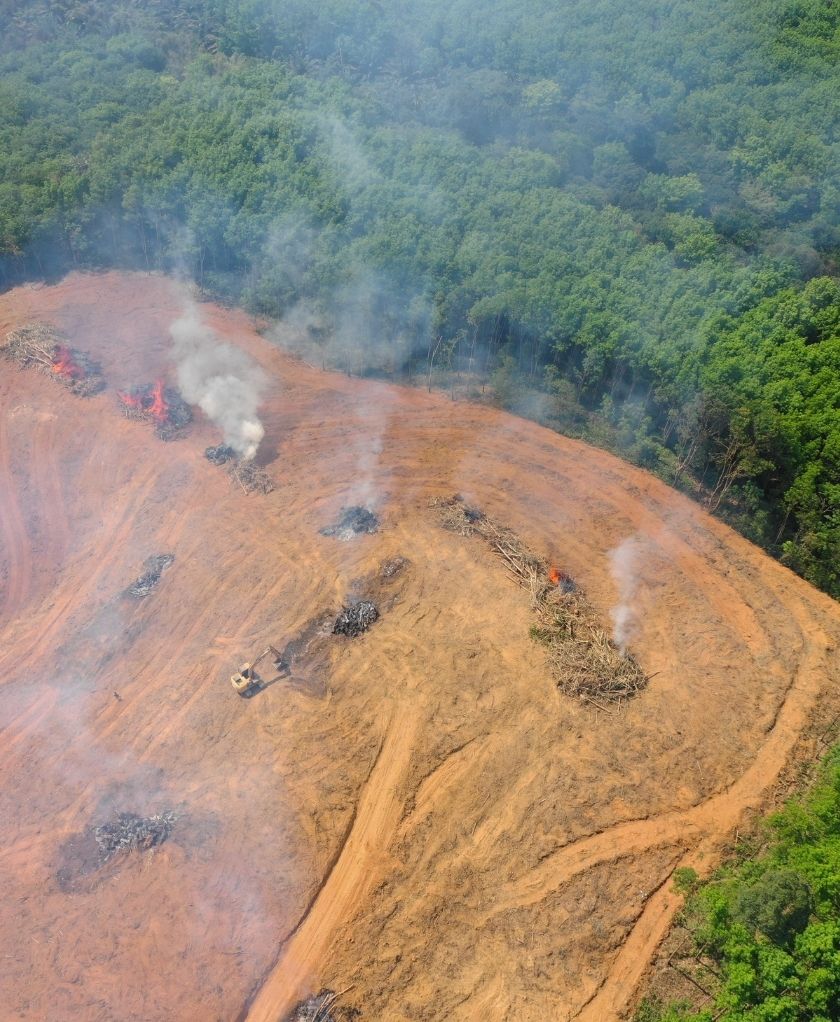
The impact extends beyond climate change. Animal agriculture is a major driver of deforestation worldwide. Forests are cleared to create grazing land for cattle or to grow crops used as animal feed. These forests play a critical role in absorbing carbon dioxide and regulating the Earth’s climate. When they are destroyed, not only is their carbon-storage capacity lost, but the carbon stored in trees and soil is also released into the atmosphere. Deforestation additionally destroys habitats and threatens countless wildlife species, accelerating biodiversity loss.
Water use is another significant concern. Producing animal-based foods requires considerably more water than producing plant-based foods. Water is needed for the animals themselves and for growing the feed crops they consume. In regions already experiencing water scarcity, this places additional pressure on limited freshwater resources, affecting both ecosystems and human communities.
Animal agriculture is also a major source of water pollution. Large-scale farms generate enormous amounts of waste, which can contaminate rivers, lakes, and groundwater. These pollutants contribute to harmful algal blooms and create oxygen-depleted areas where aquatic life cannot survive. Fish and other marine animals suffer greatly from these disruptions, while nearby communities often face declining water quality.
The fishing industry presents further environmental challenges. Overfishing has pushed many fish populations toward collapse, while industrial fishing methods kill countless non-target animals, including turtles, dolphins, sharks, and seabirds. Bottom trawling, one of the most destructive fishing practices, damages delicate marine ecosystems that may take decades or even centuries to recover.
The environmental consequences of animal agriculture are inseparable from the suffering of the animals caught within these systems. Billions of cows, pigs, chickens, goats, sheep, and fish are raised primarily for production, often with little regard for their natural behaviours, social needs, and ability to experience pain and distress.
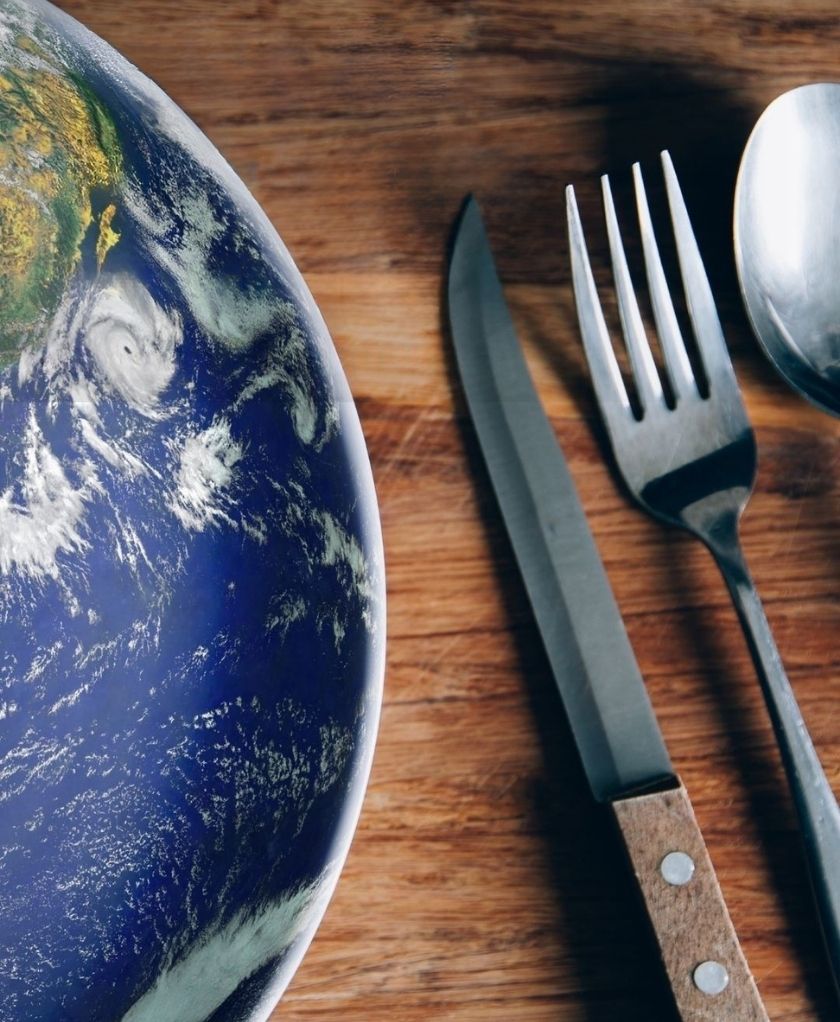
This World Environment Day, it is worth recognizing that meaningful environmental action can begin on our plates. Choosing more plant-based foods can help reduce greenhouse gas emissions, conserve water, protect forests and wildlife habitats, and spare animals from unnecessary suffering.
A more sustainable and compassionate food system is within reach. By making conscious food choices, we can contribute to a healthier planet for animals, people, and future generations. The choices we make today can help create a world where both the environment and animals are given the protection they deserve.
Pledge to try veg