
What We Eat May Be Slowly Killing Us — A Diet Reality Check
Are the choices we make daily contributing to our wellbeing, or quietly undermining it? One of the most consequential — and most overlooked — of these choices sits right on our plates.
Growing scientific evidence links meat and dairy to adverse health outcomes. At the same time, their production often involves significant animal suffering—an ethical dimension that cannot be overlooked.
The Heart of the Matter
A major concern with meat and dairy consumption is their link to chronic diseases. High intake of red and processed meats is associated with an increased risk of cardiovascular diseases. These foods are typically rich in saturated fats and cholesterol, contributing to plaque buildup in arteries and leading to hypertension, heart attacks, and strokes.
High dairy intake has been associated with increased rates of cardiovascular events, particularly among individuals genetically predisposed to high cholesterol.
Cancer: A well established link
In 2015, the World Health Organization’s International Agency for Research on Cancer classified processed meat as a Group 1 carcinogen, meaning it is known to cause cancer, particularly colorectal cancer. Red meat was classified as Group 2A, indicating it is probably carcinogenic to humans.
Dairy consumption has also been linked to increased risks of prostate and ovarian cancers. One contributing factor may be insulin-like growth factor 1 (IGF-1), a hormone stimulated by dairy intake that promotes cell growth. Elevated levels of IGF-1 may accelerate the growth of existing cancer cells.

Type 2 Diabetes and Metabolic Dysfunction
Excessive meat consumption is also associated with obesity and type 2 diabetes. Diets high in animal products tend to be calorie-dense and low in fiber, contributing to weight gain and poor metabolic health. In contrast, plant-based diets rich in whole grains, fruits, vegetables, and legumes support healthy weight management and improve insulin sensitivity.
High consumption of full-fat dairy has also been linked to weight gain, a key factor in the development of insulin resistance and diabetes.
What Meat and Dairy Do to Your Gut
The gut microbiome plays a crucial role in overall health. Diets high in animal protein and saturated fat, and low in fiber, are associated with dysbiosis—an imbalance in gut bacteria marked by reduced beneficial microbes and increased inflammatory species.
This imbalance is linked not only to digestive issues but also to systemic inflammation, weakened immune function, mood disorders, and increased intestinal permeability, often referred to as “leaky gut.” This condition allows harmful substances to enter the bloodstream, triggering widespread inflammation.
Additionally, many individuals are lactose intolerant and unable to properly digest lactose in milk, leading to bloating, gas, and diarrhea. Hormones naturally present in milk may also disrupt human endocrine systems, contributing to acne, reproductive issues, and hormone-sensitive cancers.
The Antimicrobial Resistance Threat
A less discussed but serious consequence of industrial meat and dairy production is antibiotic resistance. A large proportion of antibiotics globally are used not to treat sick animals but to promote growth in healthy ones.
In industrial farming, animals are routinely given antibiotics to prevent disease in crowded conditions. This overuse contributes to the development of antibiotic-resistant bacteria, which can spread to humans through food or the environment. As a result, infections that were once easily treatable may become life-threatening.
The Ethical Angle
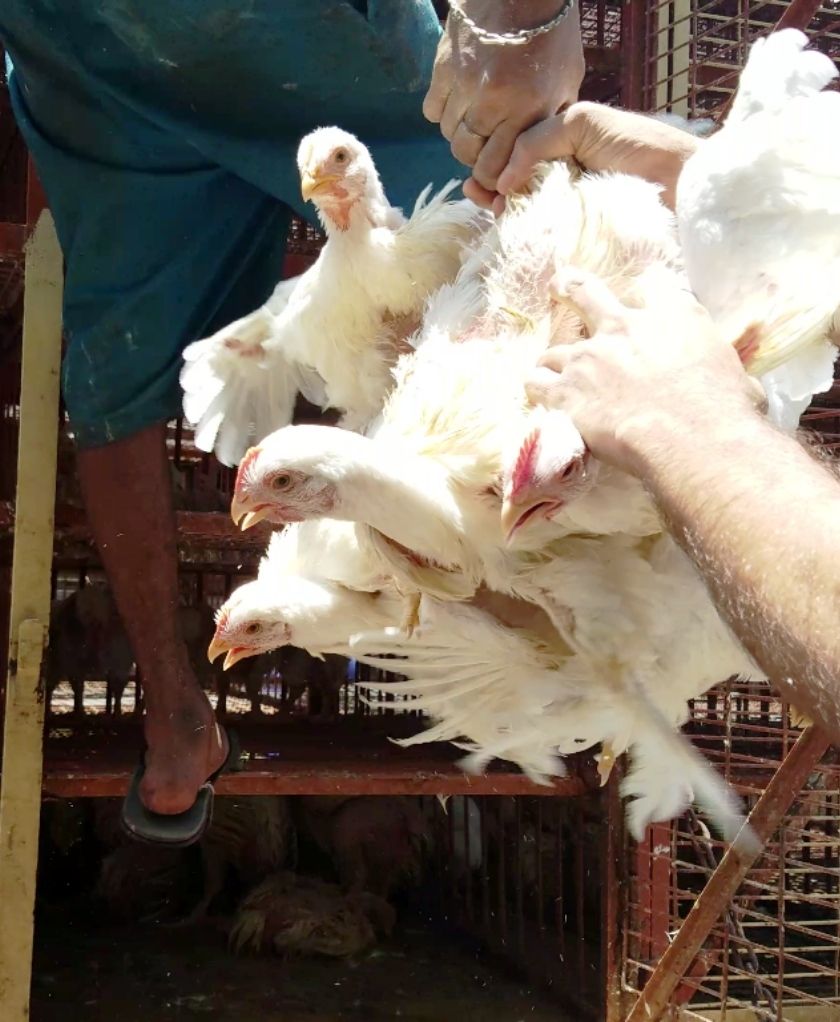
Beyond health concerns, meat and dairy consumption raises significant ethical issues. Modern animal agriculture often involves practices that cause substantial suffering. In factory farms, animals such as cows, pigs, and chickens are confined in cramped, unsanitary conditions that prevent natural behaviors, prioritizing efficiency over welfare.
Dairy production involves repeated impregnation and separation. Cows and buffaloes must give birth to produce milk, and calves are usually taken away shortly after birth, causing distress to both. Male calves are often sold into the meat industry or left to die, while females are raised to continue the cycle.
In the meat industry, animals frequently endure inhumane treatment during transport and slaughter, including overcrowding, deprivation of food and water, and exposure to extreme conditions. Even in regulated settings, improper handling can result in prolonged suffering.
Scientific research increasingly recognizes that animals used for food are capable of experiencing pain, fear, and social bonds. Ignoring these capacities raises serious ethical questions, especially when alternative nutrition sources are available.
A Path Forward
Adopting a plant-based diet can address both health and ethical concerns. Plant-based foods are rich in nutrients, fiber, antioxidants, and phytochemicals that promote health and reduce the risk of chronic diseases. They also eliminate the need for animal exploitation, aligning dietary choices with compassion and sustainability.
This makes it pertinent to consider not only personal health but also the broader impact of dietary habits. Reducing or eliminating meat and dairy consumption can improve individual well-being while supporting a more just food system. Awareness is the first step toward change, and informed decisions can contribute to a healthier and more ethical world.
Ultimately, the connection between diet, health, and ethics is clear. Understanding the risks of meat and dairy consumption—and the suffering often involved in their production—enables more conscious choices that benefit both humans and animals.

Pledge to try veg