
30 Days of Plant Power: Celebrating Poshan Maah
Every September, India observes Poshan Maah (National Nutrition Month), a month-long campaign promoting nutrition, healthy eating and better food practices. It is an opportunity to look at what we eat and explore how plant-based foods can provide nourishment while creating a more compassionate food system.
A well-planned vegan diet can provide protein, fibre, vitamins, minerals and healthy fats through pulses, grains, vegetables, fruits, nuts and seeds. India’s traditional cuisine already offers many of these nutritious plant foods.
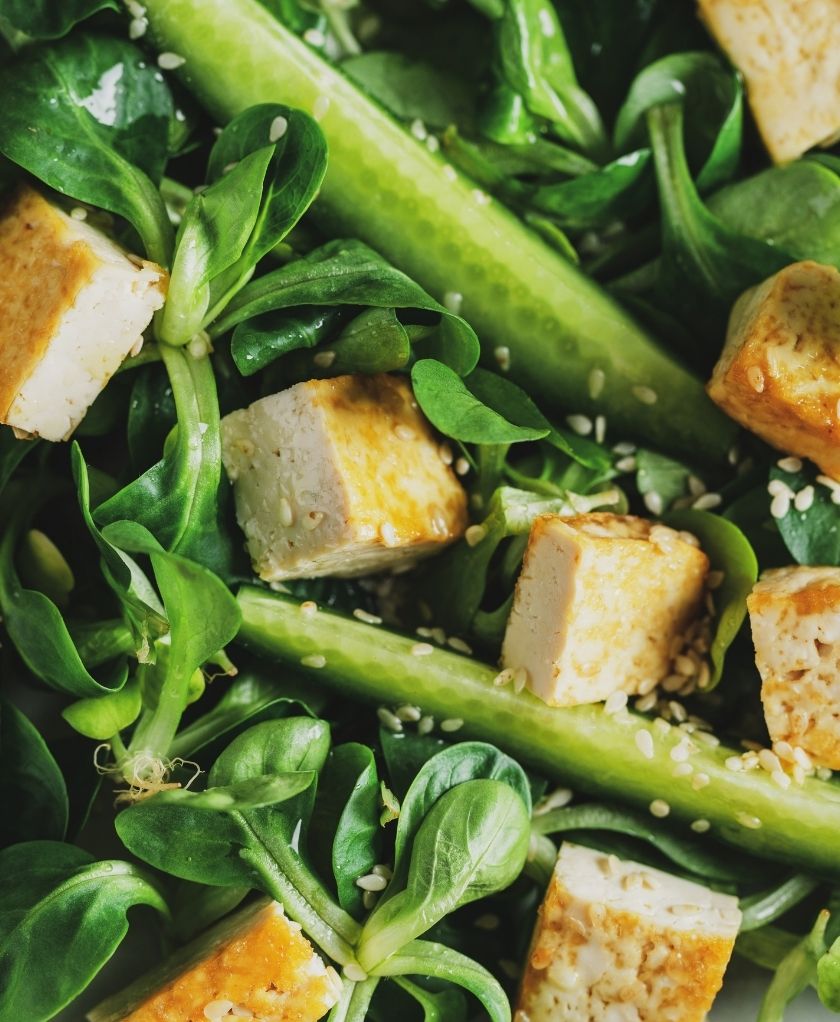
Protein: Plants Have Plenty to Offer
Protein is often considered a challenge for vegans, but Indian diets are rich in plant-based protein. Dal, chana, rajma, peas, beans, soy, tofu and soya chunks can all contribute significantly to daily protein requirements.
Meals such as dal-rice, rajma chawal, chole-roti, sambar and khichdi combine cereals and pulses to create nutritious meals. Tofu, soy chunks and soya granules can provide additional protein.
Meat, eggs and dairy are concentrated sources of protein, but unlike most plant foods, they provide little or no dietary fibre. Pulses and other plant foods can therefore provide protein alongside fibre, potassium, magnesium and other nutrients.
Fibre: A Key Plant Advantage
Fibre is another important difference between plant-based and animal-based foods. Vegetables, fruits, whole grains, pulses, nuts and seeds provide dietary fibre, while meat, fish, eggs and dairy contain little or none.
Indian meals such as vegetable dal, sambar with rice, chole with whole-wheat roti, vegetable poha and bean salads can combine protein, carbohydrates, fibre and micronutrients in one meal.
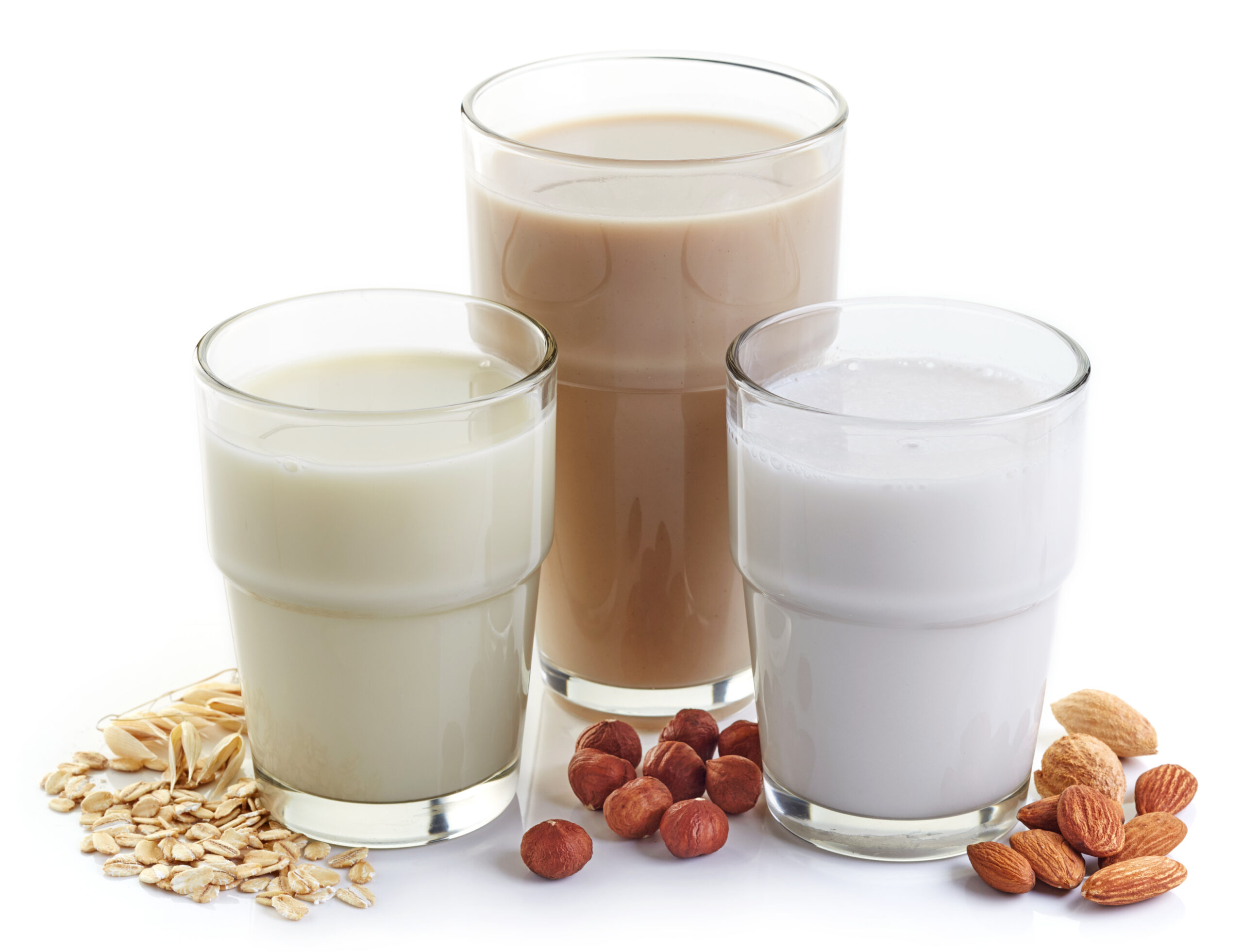
Iron and Calcium Without Dairy or Meat
Plant foods can also contribute important minerals. Lentils, chickpeas, tofu, spinach, sesame seeds and pumpkin seeds provide iron. Plant-based iron is absorbed differently from the heme iron found in meat, but eating iron-rich foods with vitamin-C-rich foods such as tomatoes, amla, guava and citrus fruits can improve iron absorption.
Calcium can also come from calcium-set tofu, sesame seeds, leafy vegetables and fortified plant milks. Fortified soy milk, for example, can provide calcium comparable to cow’s milk.
Veganising Familiar Indian Foods
Going vegan does not mean giving up familiar Indian flavours. Paneer can be replaced with tofu in palak paneer or matar paneer. Soya chunks, mushrooms or plant-based meat can replace chicken or mutton in curries and biryani. Soya granules can transform kheema into a plant-based version.
Soy, oat and other fortified plant milks can replace dairy milk in chai, coffee, porridge and desserts. Plant-based yogurt can be used for raita, kadhi and curd rice.
These simple swaps make it possible to enjoy familiar foods while reducing reliance on animal products.
What about Vitamin B12?
A vegan diet does require some nutritional planning. Vitamin B12 deserves particular attention because it is not naturally present in unfortified plant foods. Vegans can obtain B12 through fortified foods or supplements.
Other nutrients, including vitamin D, calcium, iron, iodine and omega-3 fats, should also be considered as part of a balanced diet.
Nutrition with Compassion
Poshan Maah can also be an opportunity to think about the animals behind our food. Animals used for meat, dairy and eggs are sentient beings capable of experiencing pain, fear and distress. Choosing plant-based meals allows us to nourish ourselves without using animals for food.
India already has an abundance of affordable plant foods—from dal, rice, roti and vegetables to chana, rajma, soy, peanuts, fruits and millets. Plant-based eating does not have to depend on expensive specialty products.
This Poshan Maah, let’s celebrate the power of plants—foods that can nourish our bodies while helping us make kinder choices for animals and the planet.
Thirty days of plant power can be the beginning of a healthier and more compassionate way of eating.
Pledge to try veg