
Recognizing the familial bonds in farmed animals this International Day of Families
Farmed animals such as cows, hens, goats, sheep, pigs, and fish are sentient beings who nurture their young, communicate affection, build friendships, and experience distress when separated from their families. Yet, modern animal agriculture routinely disrupts and destroys these bonds for profit. This International Day of Families, it is time to extend compassion beyond our own species and acknowledge the emotional lives of farmed animals.
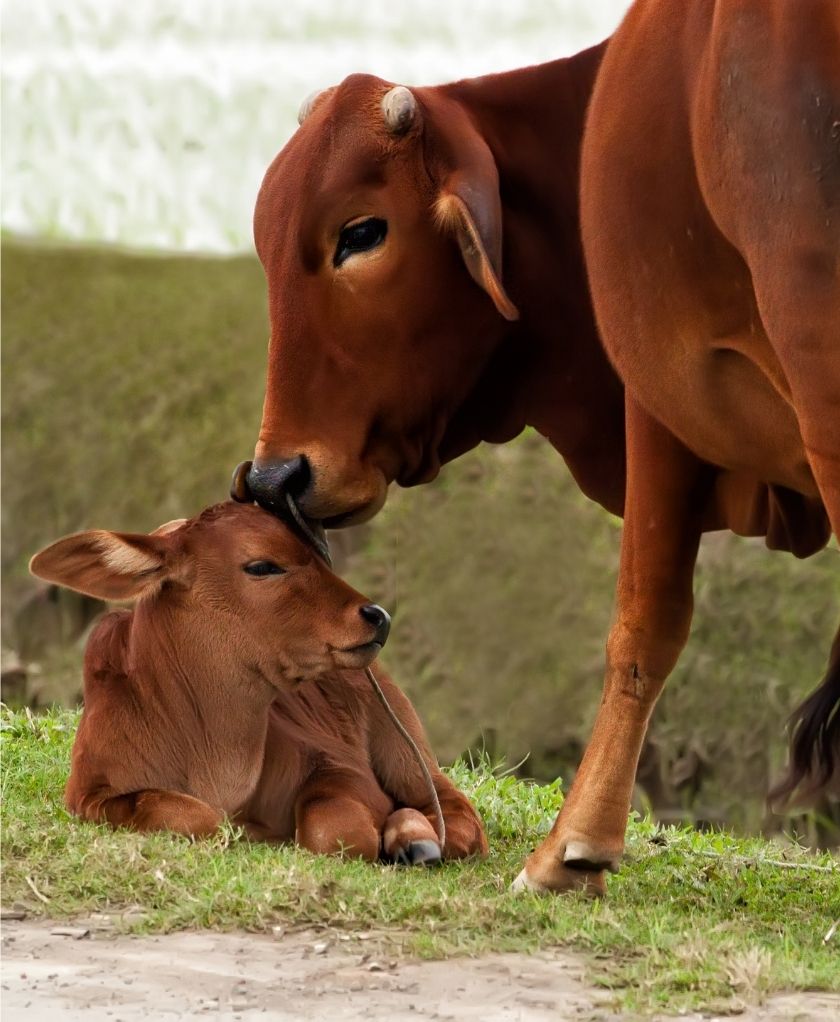
The Maternal Bond in Cows
Cows are among the most emotionally sensitive animals abused in the dairy industry. Mother cows develop strong attachments to their calves from the moment they are born. However, calves are often separated from their mothers within hours or days after birth so that the milk meant for them can be sold for human consumption. Numerous observations have shown that mothers call out for their calves for days after separation, displaying clear signs of stress and grief. Calves, too, become frightened and anxious when taken away from their mothers. These separations are not isolated incidents but standard industry practice. The emotional suffering caused by breaking these family bonds is immense.
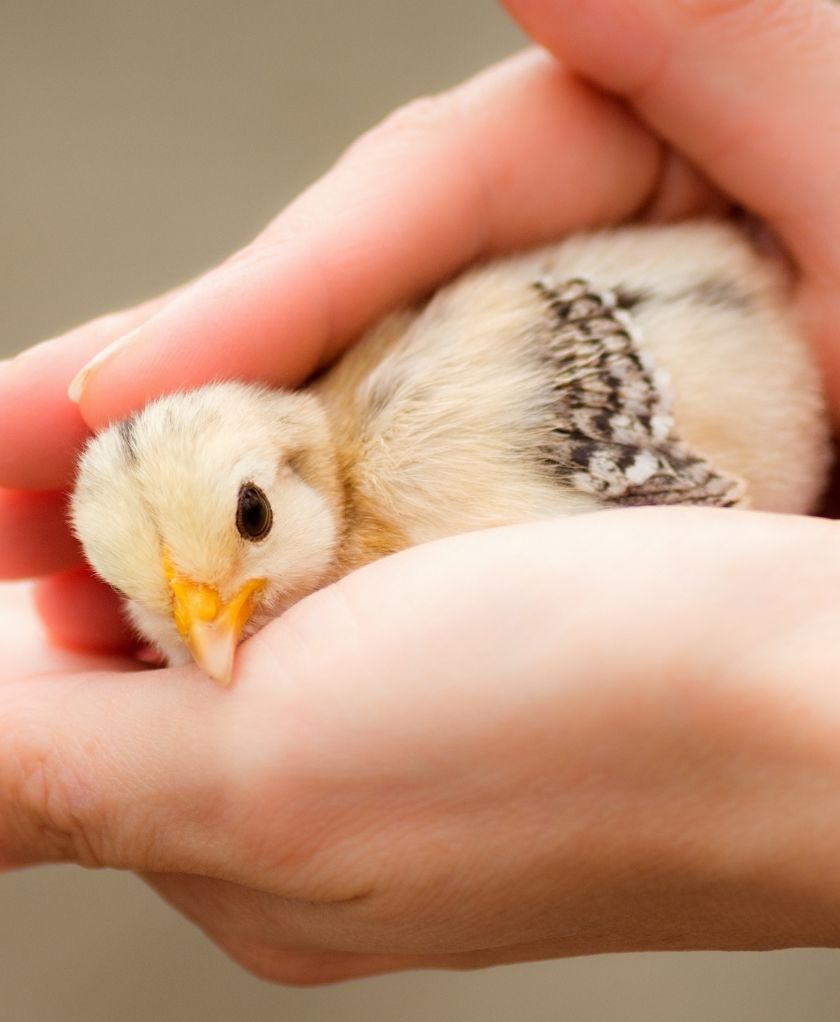
Hens: Protective Mothers and Social Communicators
Hens are also deeply social and caring animals. Mother hens communicate with their chicks even before they hatch, using soft clucking sounds from outside the egg. After hatching, hens protect, guide, and comfort their babies. They teach chicks where to find food and shelter and warn them of danger. In industrial egg production, however, chicks are separated from their mothers immediately after birth. Male chicks are often killed because they cannot lay eggs and are considered economically useless. Female chicks are raised in crowded conditions where they are denied the opportunity to engage in natural family and social behaviors. The natural maternal instincts of hens are suppressed in systems designed purely for efficiency and profit.
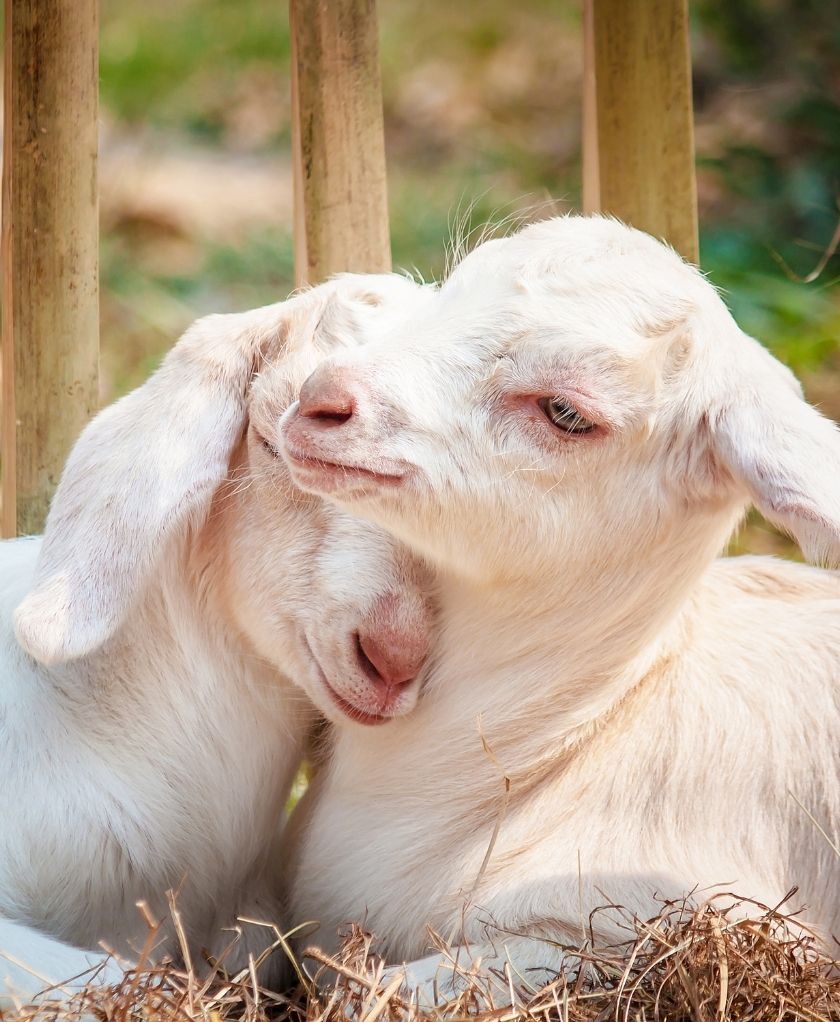
Goats & Sheep: Curious, Gentle Animals with Strong Memories
Goats and sheep also form close-knit family groups. Mother goats are highly attentive and can recognize the calls of their kids among many others. Sheep are known to have excellent memories and can remember the faces and voices of their lambs for long periods. Lambs and kids seek comfort and security from their mothers, just as human children do. Yet in the meat and dairy industries, these animals are routinely separated, transported, and slaughtered, often while still very young. The trauma caused by family separation is ignored because these animals are viewed primarily as commodities rather than individuals with emotional lives.
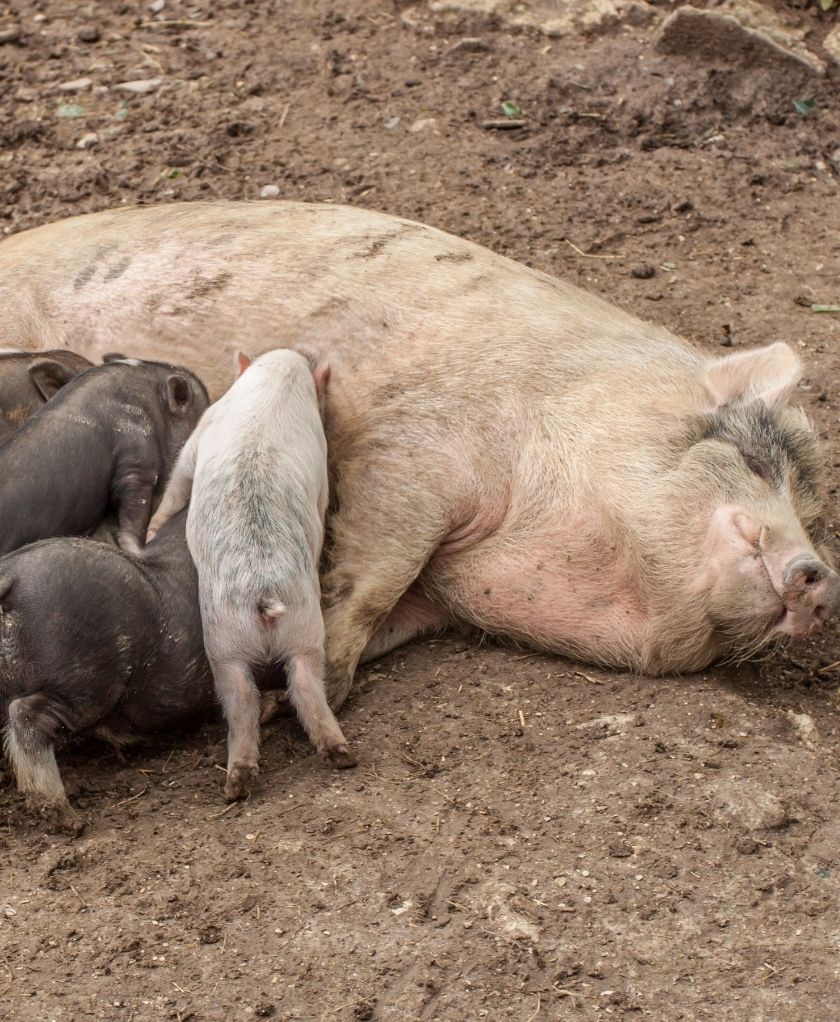
Pigs: Loving Mothers and Intelligent Individuals
Pigs are widely regarded as some of the most intelligent animals on Earth. They form strong social bonds, live in cooperative groups, and show affection toward family members. Mother pigs sing to their piglets while nursing, and piglets learn to recognize their mother’s voice. In factory farms, however, pregnant pigs are frequently confined to cramped gestation crates where they cannot even turn around. Piglets are taken away from their mothers far earlier than they naturally would be. The stress, frustration, and emotional deprivation experienced by pigs in these systems are severe and well documented.
Fish: The Invisible Families Beneath Water
Fish, too, are increasingly being recognized as intelligent and emotionally complex beings. Many species of fish cooperate with one another, recognize familiar individuals, and protect their offspring. Some fish carefully build nests, guard their eggs, and defend their young from predators. Yet fish are among the most exploited animals on the planet. Billions are caught or farmed every year, often enduring immense suffering through overcrowding, injury, and painful slaughter methods. Their capacity to feel pain and stress is frequently overlooked simply because their suffering is less visible to humans.
Expanding Our Circle of Compassion
The common thread connecting all these animals is their desire to live freely, care for their families, and avoid suffering and death. The industrial farming system treats them as units of production; families are broken apart for profits. Recognizing the familial bonds of farmed animals challenges us to rethink our relationship with them and the choices we make every day.
One of the most powerful ways to reduce this suffering is by transitioning toward a plant-based vegan diet. Choosing plant-based foods helps reduce demand for industries that rely on separating mothers from babies, confining animals in cruel conditions, and denying them the opportunity to live naturally. Today, there are countless delicious and accessible alternatives to meat, dairy, eggs, and fish products that allow people to nourish themselves without contributing to animal suffering.
Pledge to try veg