
Vegan Ramadan & Eid: A Compassionate Way to Celebrate
Ramadan is a month of reflection, gratitude, and self-discipline. Choosing a vegan Ramadan — and extending it into a vegan Eid — can beautifully align with these values. By centering meals around plant-based foods, families can nourish themselves while minimizing harm to animals and reducing environmental impact.
Plant-based eating during Ramadan can also be energizing and hydrating. Whole grains, lentils, beans, fruits, nuts, and vegetables provide steady energy for fasting hours, while avoiding the heaviness that often comes with rich animal-based meals. And the best part? Many iconic Ramadan and Eid dishes can be easily recreated in delicious vegan versions without sacrificing taste or tradition.
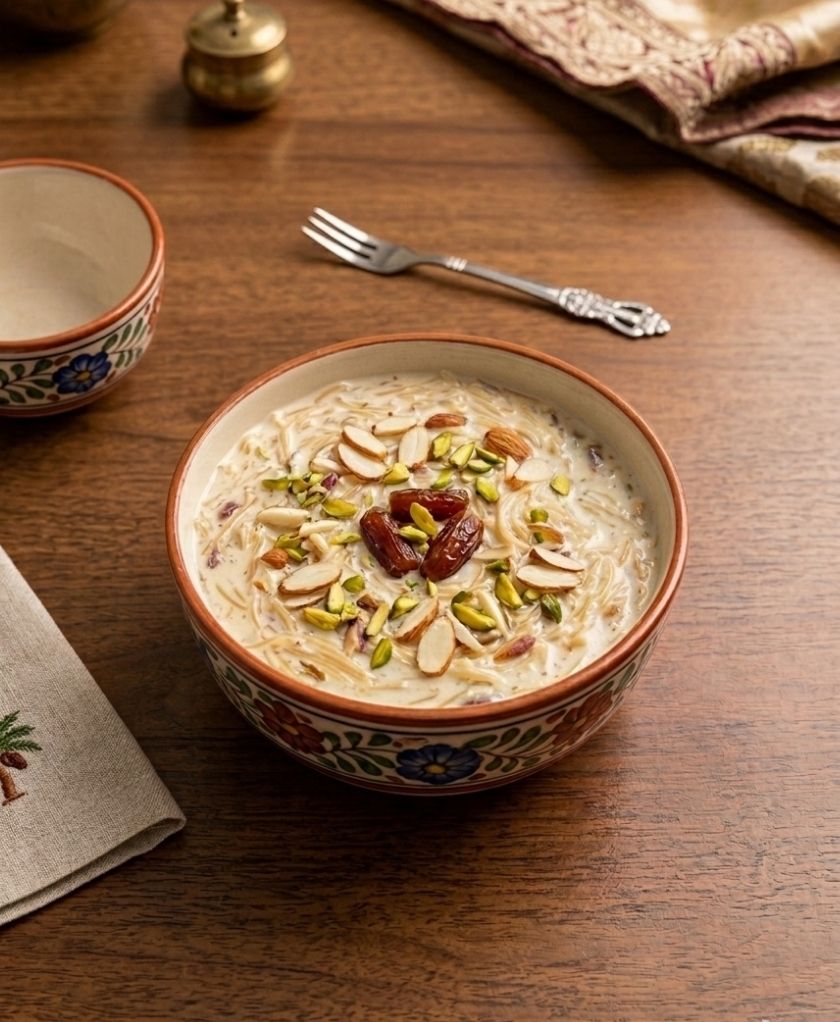
Below are some famous Ramadan and Eid dishes with simple vegan recipe ideas:
- Sheer Khurma (Vegan) – Simmer vermicelli in almond or coconut milk with dates, pistachios, cashews, cardamom, and rose water.
- Vegetable or Jackfruit Biryani – Layer basmati rice with saffron, caramelized onions, mint, and spiced jackfruit or mixed vegetables.
- Chana Chaat – Toss boiled chickpeas with onions, tomatoes, coriander, lemon juice, and chaat masala.
- Fruit Chaat – Combine seasonal fruits with a sprinkle of black salt and chili powder.
- Lentil Samosas – Fill pastry with spiced moong or masoor dal and bake or air-fry.
- Falafel – Blend soaked chickpeas with garlic, parsley, and cumin; shape and bake or fry.
- Hummus & Pita – Blend chickpeas, tahini, lemon, and garlic; serve with warm pita.
- Vegan Haleem – Slow-cook cracked wheat, barley, and mixed lentils with warming spices until thick and creamy.
- Stuffed Dates – Fill dates with almond butter or crushed pistachios for a simple iftar staple.
- Roasted Vegetable Kebabs – Skewer marinated mushrooms, peppers, onions, and zucchini; grill until charred.
- Shami Kebabs (Vegan) – Blend chickpeas or lentils with spices; pan-fry patties until crisp.
- Vegan Pakoras – Dip sliced onions or spinach in gram flour batter and fry until golden.
- Khajla & Pheni (Vegan) – Prepare flaky pastries using plant-based ghee alternatives or virgin coconut oil; serve with sweetened plant milk.
- Vegan Nihari (Mushroom or Jackfruit) – Slow-cook mushrooms or jackfruit in a rich, spiced gravy.
- Vegetable Korma – Simmer mixed vegetables in a cashew and coconut-based sauce.
- Phirni (Vegan) – Cook ground rice with almond milk and sugar; chill and garnish with nuts.
- Vegan Malpua – Make batter with flour and plant milk; fry lightly and dip in sugar syrup.
- Daal Tadka – Temper cooked lentils with cumin, garlic, and chili in oil.
- Fattoush Salad – Toss lettuce, tomatoes, cucumber, herbs, and toasted pita with sumac dressing.
- Vegan Baklava – Layer phyllo pastry with crushed nuts and plant-based butter; drizzle with sugar syrup.
For suhoor (pre-dawn meal), focus on slow-digesting foods like oats with dates and nuts, peanut butter toast, banana smoothies with plant milk, or lentil parathas. Hydration is equally important — coconut water, lemon water, and soaked chia seeds can help maintain electrolyte balance.
A vegan Eid feast can be just as abundant and festive. Set a colorful table filled with aromatic rice dishes, hearty curries, crisp snacks, and delicate sweets — all plant-based. Share meals with neighbors, donate generously, and embrace the spirit of mercy that defines this sacred time.
Ramadan teaches restraint and gratitude. Choosing plant-based meals during this month extends compassion beyond ourselves, reflecting the deeper essence of the season. A vegan Ramadan and Eid are not about restriction — they are about celebrating faith, family, and food in a way that honors all living beings.
Pledge to try veg